
How to File For A Global Trademark.
One of the most common misconceptions I see from founders is this: “We already have the trademark, so we’re good globally.”
Unfortunately, that’s not how trademark law works. Trademark rights are territorial, which means your protection is generally limited to the country (or region) where you’ve registered or established rights. Owning a trademark in the United States does not automatically give you rights in the UK, the EU, Mexico, or anywhere else.
There is no true global trademark. While systems like the Madrid Protocol make it easier to apply for protection in multiple countries through one filing process, each country still decides for itself whether to approve or refuse the mark. So even with an international application, trademark rights are still territorial, not worldwide.
One of the best real-world examples of this is TJ Maxx vs. TK Maxx.
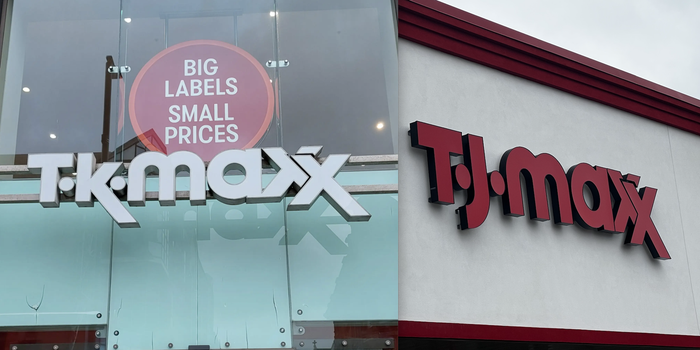
The TJ Maxx vs. TK Maxx Example
In the United States, the popular off-price retailer is known as TJ Maxx. But if you go to Europe, especially the UK, you’ll see the same company operating under a slightly different name: TK Maxx.
Why?
Because when The TJX Companies expanded into Europe, there was already a brand using a similar name, “TJ Hughes,” which created a potential likelihood of confusion issue. Instead of fighting a long legal battle or risking denial, they made a strategic move: They rebranded slightly, switching the “J” to a “K.” Same company. Same concept. Different trademark strategy.
What This Means Legally
Here’s the key takeaway:
Trademark rights don’t travel. Each country examines:
Existing trademarks in that jurisdiction
Likelihood of confusion with local brands
Language and meaning in that market
Cultural and commercial context
So even if your mark is:
Registered in the U.S.
Unique in your industry
Successfully in use for years
…it can still be refused elsewhere.
Why This Happens
There are a few main reasons:
1. Different Existing Marks
Another company may already own a similar mark in that country, even if they don’t operate globally.
2. Different Standards or Interpretations
Trademark offices in different countries apply the law differently. What passes in the U.S. might not pass in the EU, and vice versa.
3. Language and Meaning
A mark that is distinctive in English might be descriptive or even problematic in another language.
4. Prior Local Use
Some countries recognize rights based on use, not just registration. That can block you even if you filed first elsewhere.
What Smart Brands Do Instead
Companies that understand this don’t assume global protection. They plan for it.
That usually looks like:
Filing in key markets early
Running clearance searches in each country
Adjusting branding where needed
Considering international filing strategies like the Madrid Protocol
And sometimes, like in the case of TJ Maxx, it means accepting a slight name change to avoid conflict and move faster.
The Bottom Line
Getting a trademark in one country is a great first step, but it’s not the finish line.
If you plan to:
Sell internationally
Expand your brand
Manufacture or distribute abroad
…you need to think globally from a trademark perspective.
Because the reality is simple, your brand might be protected at home, but it still has to earn its place everywhere else.